
The Foundation of Efficient Production: Mastering Manufacturing Procedures
- Home
- Blog Index
- Blog

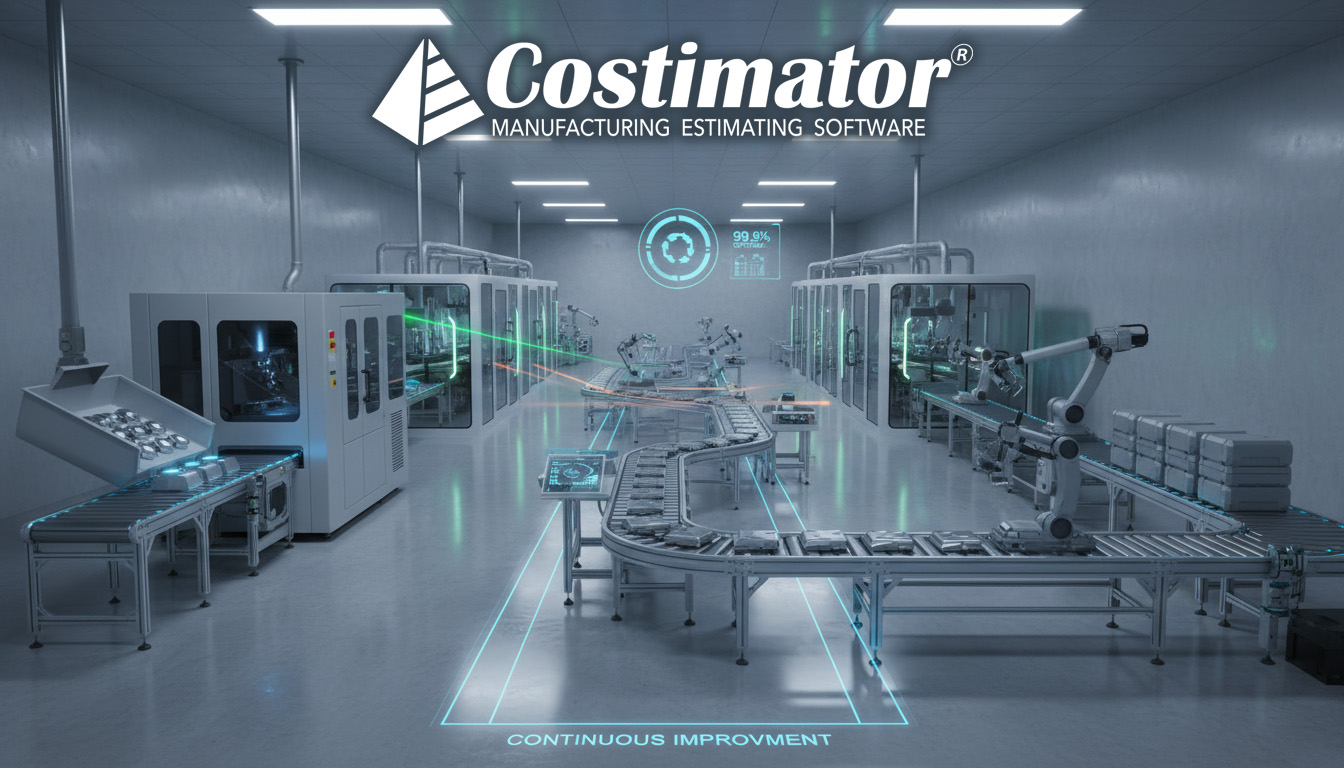
In the highly competitive landscape of modern industry, the pursuit of operational excellence is not just an advantage, it’s a necessity. At the heart of this pursuit lie well-defined manufacturing procedures. These structured guidelines are the bedrock of efficient, consistent, and high-quality production. By optimizing every step of the mfg process, from raw material to finished product, companies can unlock significant cost savings, enhance product quality, and build a powerful competitive edge. This journey into process mastery involves understanding core principles, leveraging diverse methods, and embracing transformative technologies and tools designed for continuous improvement to build the Foundation of Efficient Production: Mastering Manufacturing Procedures.
A manufacturing process is the structured series of steps and operations required to convert raw materials, components, or parts into finished goods that meet customer expectations and quality standards. This transformation is the central value-creating engine of any production-based business. While the specifics can vary dramatically between industries, most manufacturing operations share a set of fundamental stages that form a cohesive production cycle.
The journey typically begins with design and prototyping, where the product vision is established and tested. This is followed by the procurement of raw materials and production planning to ensure all necessary resources are available. The core production stage is where the actual transformation occurs through machining, assembly, or fabrication. Throughout this journey, quality control is embedded to inspect, test, and verify that the product meets all specifications. Finally, the goods are packaged and distributed to the end customer. Each step is deeply interconnected; a delay in material acquisition can halt the entire line, while a flaw in the design can lead to widespread defects. This is why standardization and thorough documentation of every procedure are paramount. They ensure that each task is performed consistently and correctly, forming the foundation for a reliable and efficient mfg process.
Lean manufacturing is a management philosophy centered on a simple but powerful goal: maximizing customer value while minimizing waste. It’s a systematic approach to identifying and eliminating any activity that consumes resources but doesn’t add value from the customer’s perspective. By focusing on efficiency and continuous improvement, lean manufacturing principles help organizations enhance quality, reduce costs, and shorten lead times. The methodology is built upon five essential principles that guide the journey toward operational excellence.
The core lean principles are:
By applying these principles, manufacturers can systematically tackle the “eight wastes,” which include defects, overproduction, waiting, underutilized talent, unnecessary transportation, excess inventory, and over-processing.
One of the most critical yet challenging aspects of any manufacturing operation is cost estimating. Traditional methods, often relying on spreadsheets, tribal knowledge, or pure guesswork, are fraught with problems. They are time-consuming, prone to human error, and lead to inconsistent quotes that can either lose a job by being too high or erode profits by being too low. Inaccurate estimating creates bottlenecks, hinders resource planning, and ultimately puts a manufacturer at a competitive disadvantage.
This is where specialized software like Costimator provides a transformative solution. Costimator is an advanced cost estimating and quoting software purpose-built for manufacturers to streamline and standardize the mfg estimating process. It replaces outdated manual methods with a data-driven system that delivers speed, accuracy, and consistency.
Costimator improves the estimating process in several key ways:
By leveraging a tool like Costimator, manufacturers can generate more competitive bids, make smarter decisions about resource allocation, and ultimately increase profitability. It empowers them to truly understand their costs and quote with confidence.
Solutions like Costimator Bridge the Gap Between Production Capabilities and Financial Success. – Get A Free Demo